Spin Divorce Mission: Equipping parents with the legal strategy, procedural literacy, and court-tested tools needed to stop post-separation abuse and protect their family's future.

Even a "normal" divorce is exhausting—shattering future plans and throwing you into a maze of legal forms, court dates, and mounting bills. But divorcing a high-conflict or narcissistic ex takes that stress to a whole new level.
To them, court isn't a place to find a fair solution—it's a game they intend to win at all costs. They weaponize the system using delay tactics, financial pressure, and litigation abuse designed to drain your energy and wallet. While courts are beginning to recognize these behaviors as coercive control, high-conflict personalities continue to exploit the gaps. You cannot fight this dynamic with hope alone—you need strategy, procedural boundaries, and a solid plan to protect yourself and your family

What is Post-Separation Abuse?
Post-separation abuse occurs when a high-conflict or abusive ex continues to exert power, financial control, and coercive tactics long after the relationship has ended. In family court, these behaviors are universally applied to wear you down and force unfair outcomes.
Common forms of post-separation abuse in court include:
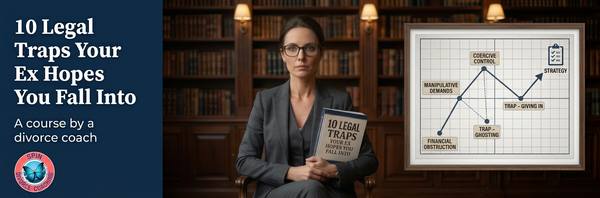
Litigation Abuse & Vexatious Motions: Filing endless, meritless applications to force you into court, drain your retainer, and exhaust your emotional energy.
Financial Sabotage: Withholding disclosure, hiding assets, abruptly cutting off support, or draining bank accounts so you cannot afford legal representation.
Custody Weaponization & Counter-Parenting: Using child access and decision-making as bargaining chips, refusing to cooperate, or making false allegations to alienate the child.
Intimidation & Stalking: Utilizing threats, digital tracking, or harassment to maintain control outside the courtroom.
Distorting the Narrative: Weaponizing court forms to make false claims of alienation or abuse, turning the justice system into their personal tool of coercion.
The Bad News
The courts, WHERE ANYTHING CAN HAPPEN, are not equipped to handle the high-conflict narcissistic personality and many court professionals and judges lack education related to the damage these individuals cause…. Making the courts a costly and scary platform to engage with the abuser.

The Good News
Knowing the strategies, the narcissist is likely to employ, empowers the healthy parent to make choices that assist them in avoiding the pitfalls of the FAMILY COURT legal system.